
Turn Unused Lower Levels Into Livable Space
Basement Remodeling in Northern Colorado for converting unfinished or outdated basements into functional family rooms and guest suites
Bishop Design Build provides basement remodeling services that turn unfinished or outdated lower levels into functional living spaces such as family rooms, home offices, guest suites, or entertainment areas. You walk down to a basement with exposed ceiling joists, concrete floors, and bare foundation walls that collect dust and store overflow items, and you want that square footage to work as a comfortable extension of your home. Remodeling the basement adds usable space without expanding the building footprint or altering the exterior appearance.
The remodeling process addresses insulation, moisture control, lighting, and layout to create an environment that feels as comfortable as the main floor. Foundation walls are framed and insulated, subfloors are installed over concrete slabs, and ceiling systems are chosen to maintain headroom while concealing mechanical runs. Egress windows are added or enlarged to meet code requirements for bedrooms, and HVAC ductwork is extended or supplemented to ensure consistent heating and cooling. Layout planning accounts for existing support columns, utility locations, and stairwell placement to maximize open floor area and natural light.
Schedule a consultation to explore basement remodeling possibilities and discuss how the space can be configured to meet your household needs.
Building Comfort and Function Below Grade
You work with Bishop Design Build to identify how you intend to use the basement, whether that means a media room with built-in seating, a guest suite with a full bathroom, or a home office with dedicated electrical circuits and network wiring. The team evaluates the existing foundation for moisture issues, checks ceiling height to confirm code compliance, and plans framing to accommodate plumbing and electrical runs. Insulation is installed along exterior foundation walls to improve energy efficiency and reduce condensation, and vapor barriers are applied to control moisture migration.
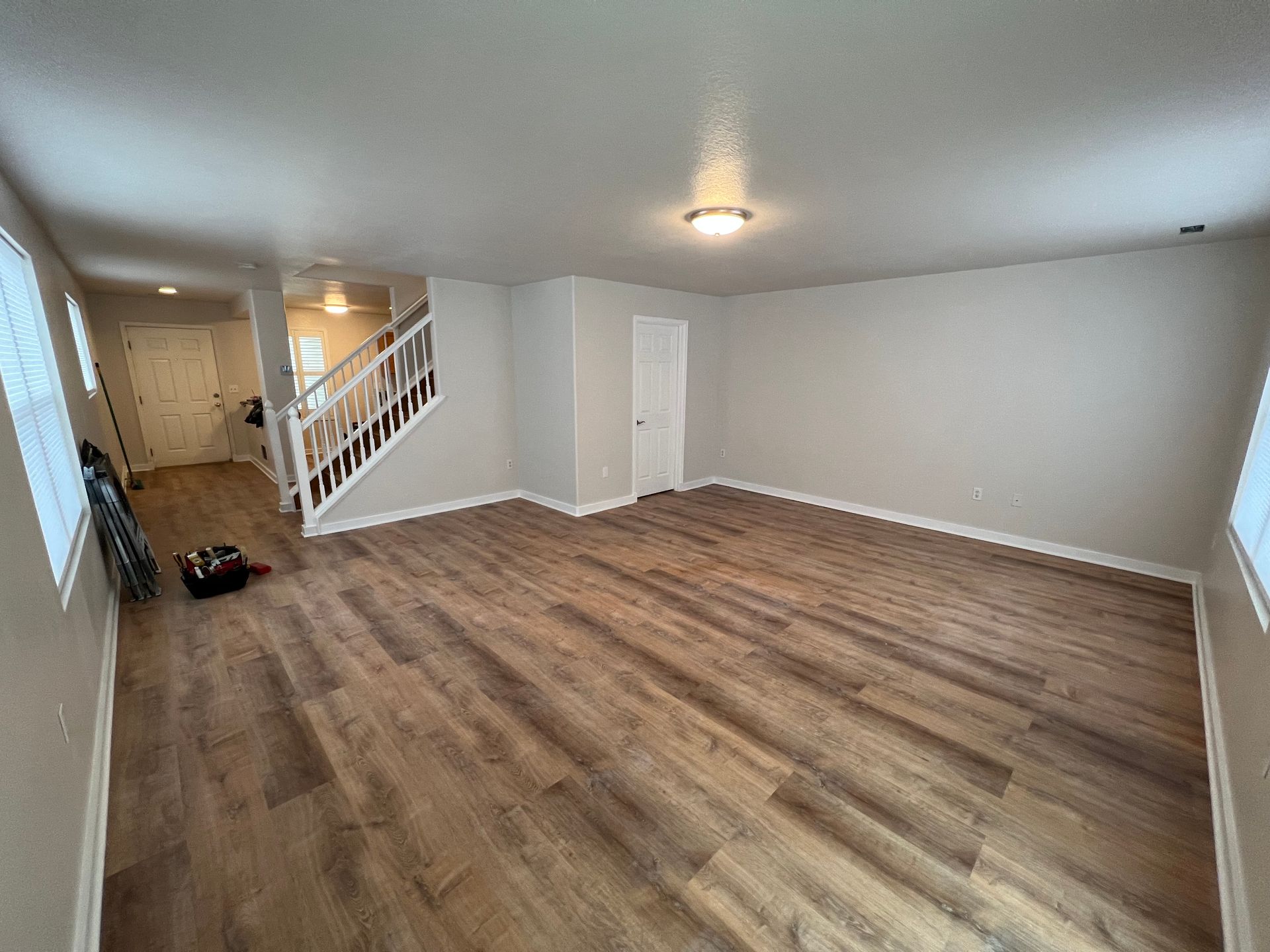
After the remodel is finished, you walk downstairs to a space with drywall, trim, flooring, and lighting that matches the rest of your home. The basement feels warmer in winter and cooler in summer, with improved air circulation and no musty odor. Rooms are clearly defined, storage areas are organized, and the lower level becomes a place your family uses daily rather than avoiding.
The construction process includes framing partition walls, installing insulation and vapor barriers, running electrical and plumbing rough-ins, hanging and finishing drywall, installing flooring materials suited to below-grade conditions, and completing trim and finish carpentry. Lighting is planned to compensate for limited natural light, and ventilation is addressed to prevent humidity buildup. The service does not include exterior foundation waterproofing or drainage system upgrades, though those may be recommended if moisture issues are present.
What to Know Before Remodeling Your Basement
These questions come up often during basement remodeling planning in Northern Colorado communities.
What ceiling height is required for a finished basement?
Most building codes require a minimum of seven feet of clear ceiling height in habitable rooms, though some jurisdictions allow lower ceilings in utility or storage areas.
How is moisture controlled in a basement remodel?
Moisture control includes installing vapor barriers on foundation walls, using moisture-resistant drywall and flooring materials, and ensuring proper grading and drainage around the home's exterior to direct water away from the foundation.
When do you need an egress window?
An egress window is required by code in any basement bedroom to provide a secondary escape route in case of fire, and the window must meet minimum size and height requirements for safe exit.
Why does basement insulation matter in Northern Colorado?
Insulating foundation walls reduces heat loss during winter months, prevents condensation on cold surfaces, and makes the basement more comfortable year-round while lowering heating costs.
What flooring works best in basements?
Engineered wood, luxury vinyl plank, tile, and sealed concrete are commonly used because they tolerate minor moisture fluctuations better than solid hardwood or standard laminate, which can warp or buckle below grade.
Bishop Design Build is ready to assess your basement, discuss layout options, and plan a remodel that turns unused lower-level space into a functional part of your home. Contact the team to schedule a consultation and review how the basement can be finished to fit your family's needs.